Congressional Aquarium · Plants
Aquarium Plants
Transform your tank. Naturally.
Stems, rosettes, carpets, mosses, and the ingredients for a living, breathing ecosystem.
Explore the planted room01 / Roots of an aquascape
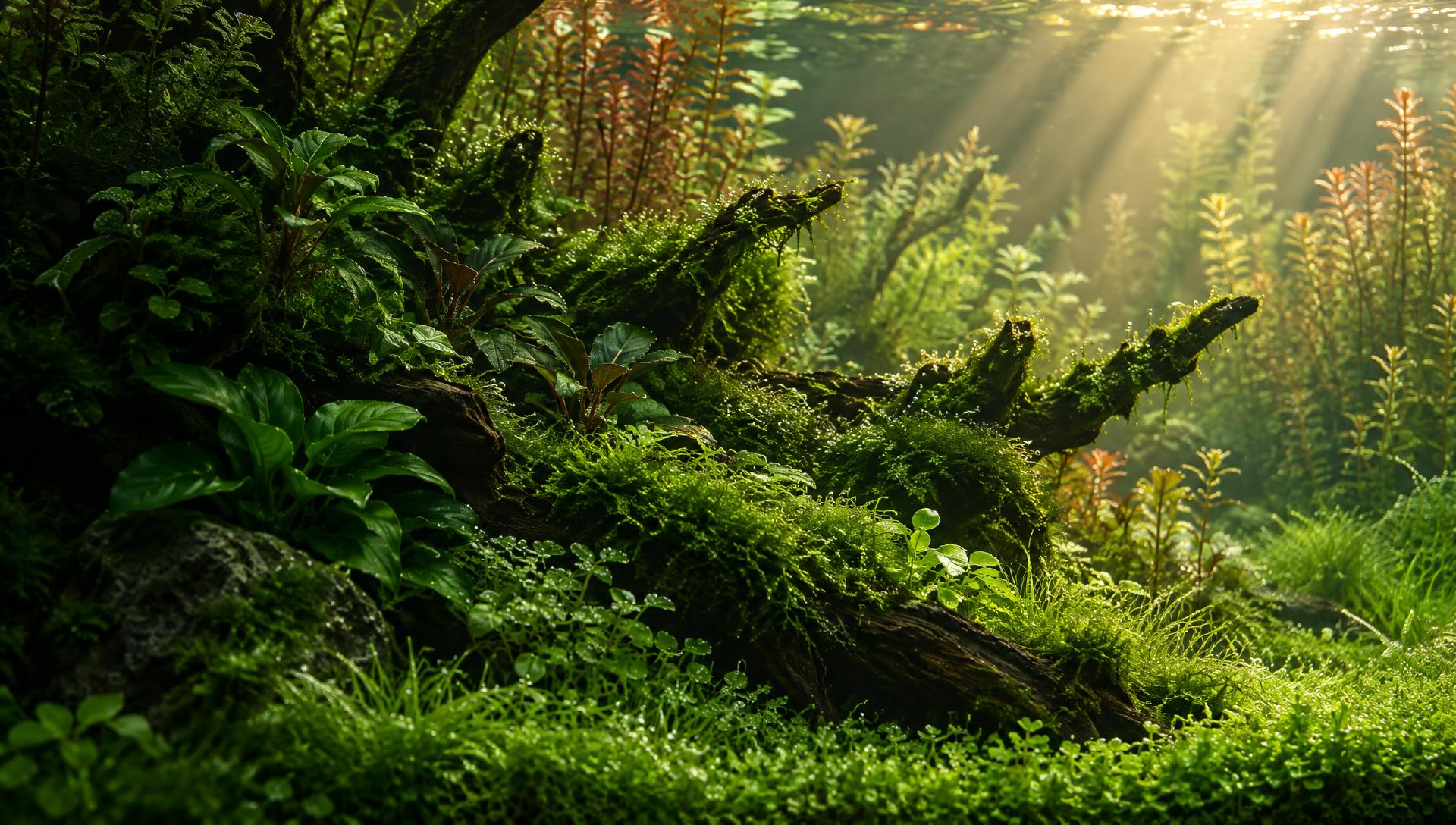
A living landscape.
Epiphytes, stems, and root feeders bring structure, color, and depth. We'll match your choices to your lighting and substrate.
02 / The finishing layers
Texture. Shade. Small beginnings.
Carpets and mosses soften the foreground, floaters shade the surface, and tissue culture cups start small.
03 / Beyond the leaves
Keep it thriving.
Planted tank cleanup crew
In store
Plants do better with company. These four keep leaves, glass, and hardscape clean without eating the aquascape.
Amano shrimp
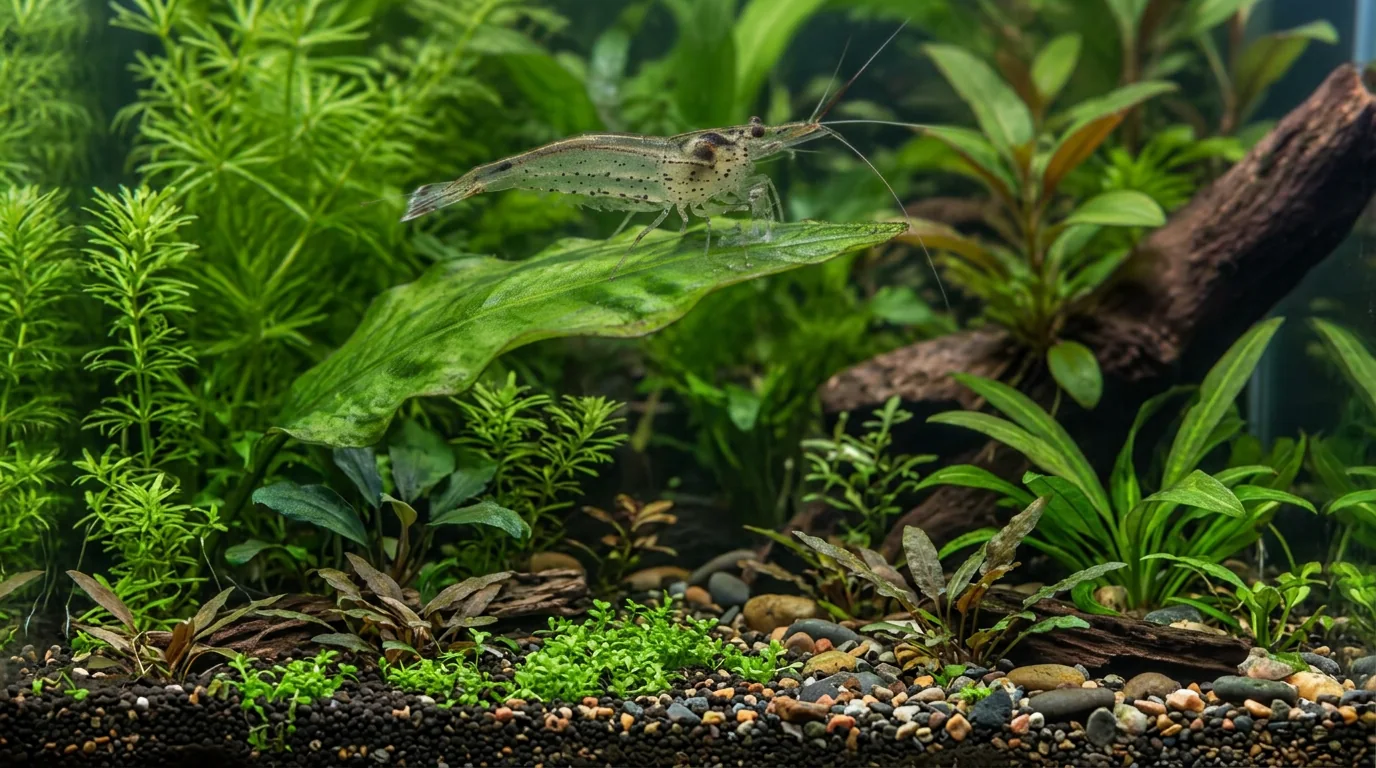
The hardest working algae eater in freshwater. A small group clears soft stringy algae fast and never touches healthy leaves.
Nerite snails
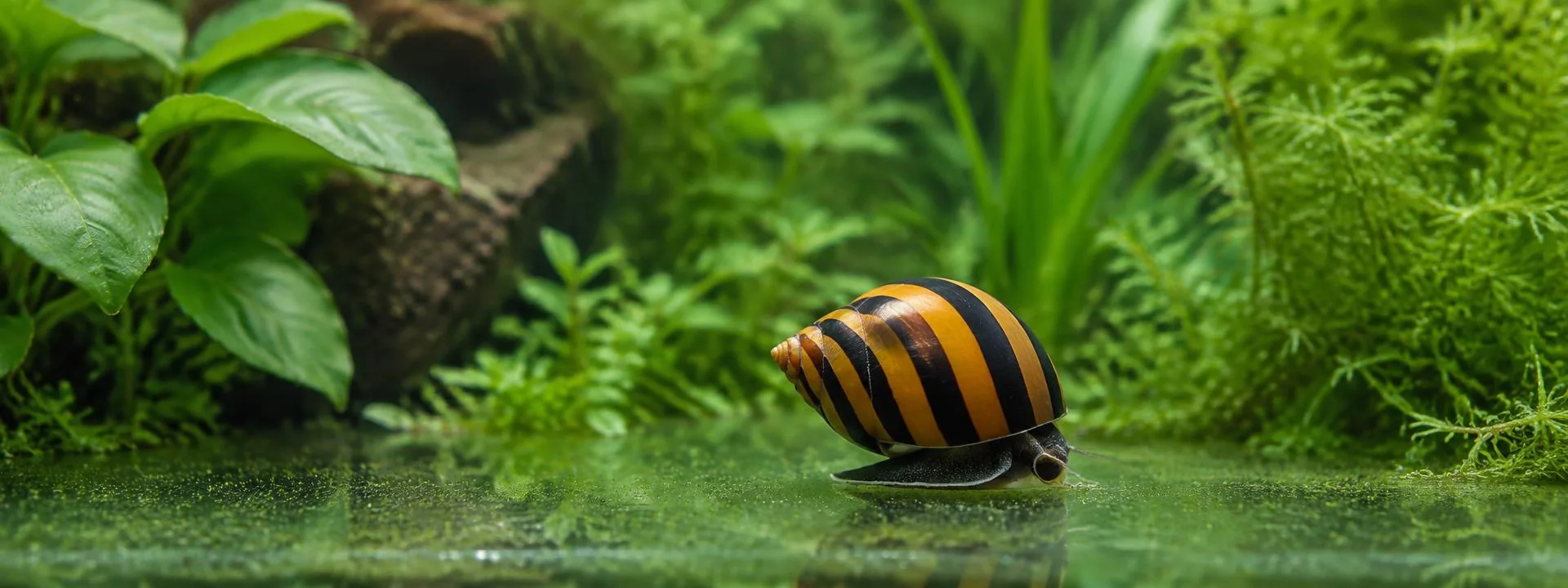
Tireless grazers for green spot algae on glass, wood, and stone. They cannot breed in freshwater, so the population never gets away from you.
Otocinclus catfish
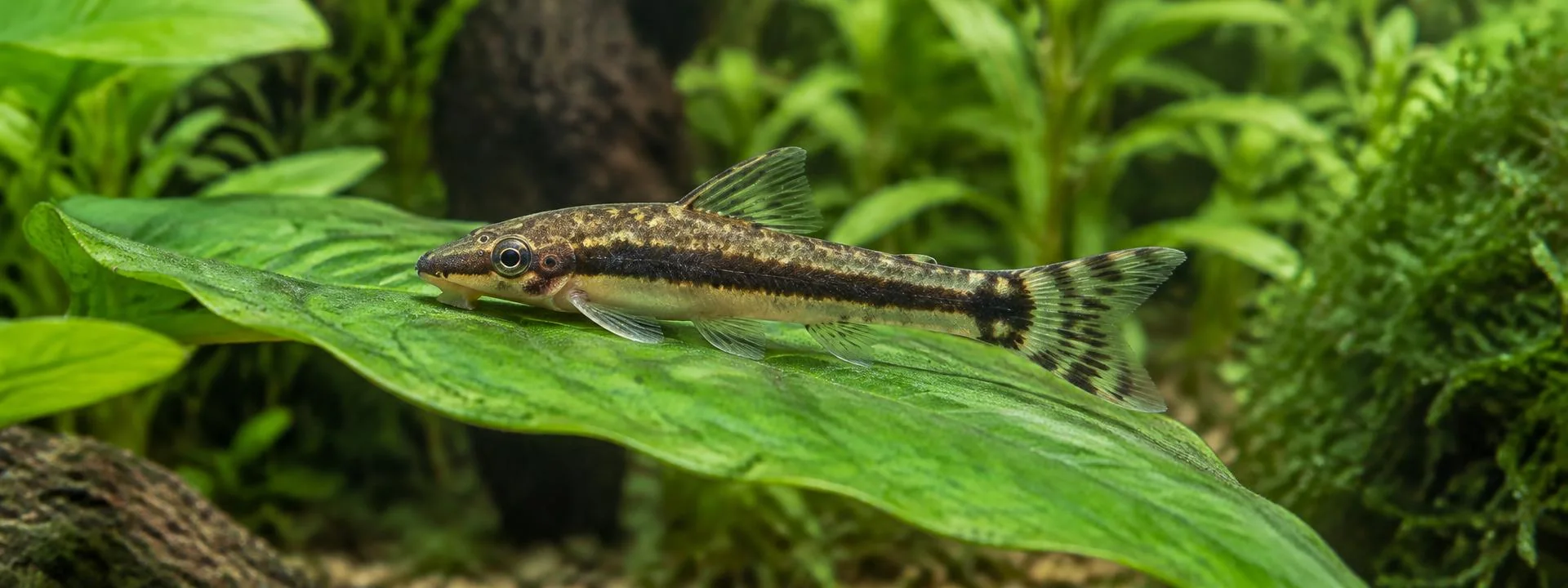
Tiny suckermouths that clean broad leaves like swords and anubias without damaging them. Keep them in groups of six or more.
Neocaridina shrimp
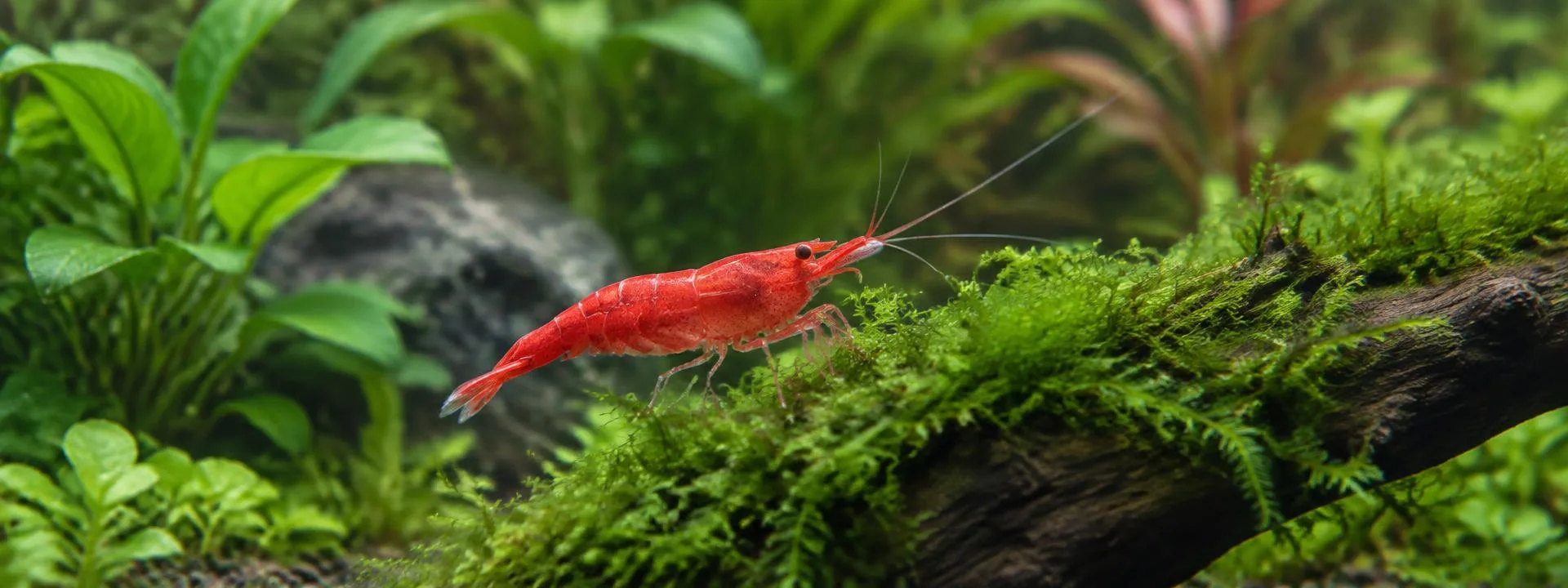
Cherry, blue, and yellow shrimp pick constantly at biofilm and decaying plant matter — colorful, and a cleanup crew that breeds itself.
Algae troubleshooter
Tap to open
Algae is a message about light, nutrients, or flow. Find what you are seeing and what fixes it.
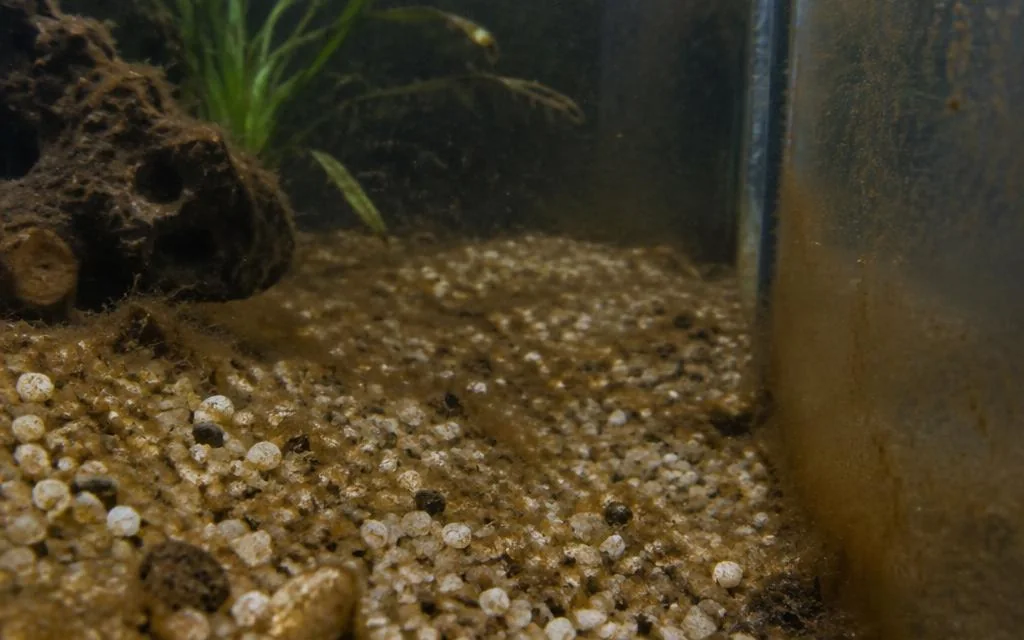
Cause: New tank syndrome — silicates and an immature biofilter.
Fix: Nothing drastic. Wipe the glass, keep up water changes, and it fades on its own as the tank matures. Nerite snails speed it along.
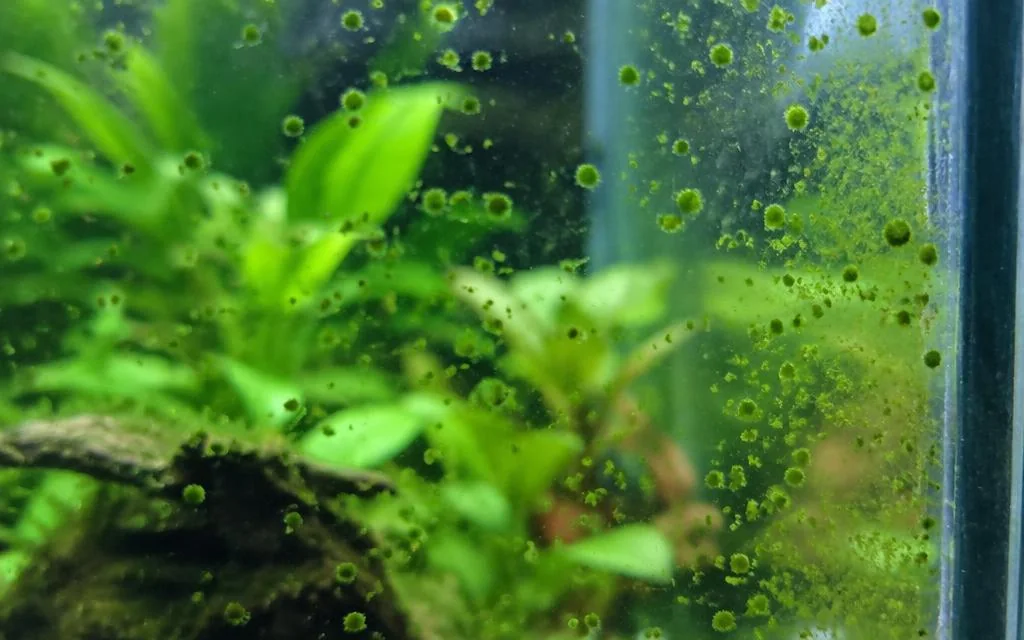
Cause: Too much light for too long, often with low phosphate.
Fix: Cut the photoperiod to six hours on a timer, raise or dim the light, and keep dosing an all-in-one fertilizer. Scrape the glass with a blade.
Cause: Excess light or a build-up of dissolved organics from overfeeding.
Fix: Manually twirl it out with a toothbrush, trim affected leaves, reduce light and feeding — then let a group of Amano shrimp finish the job.
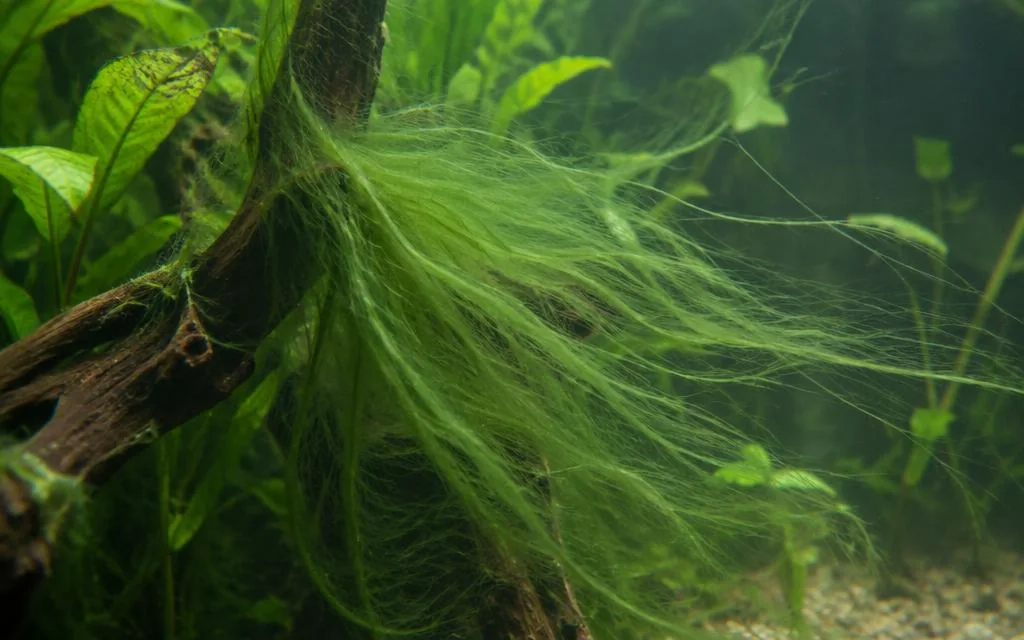
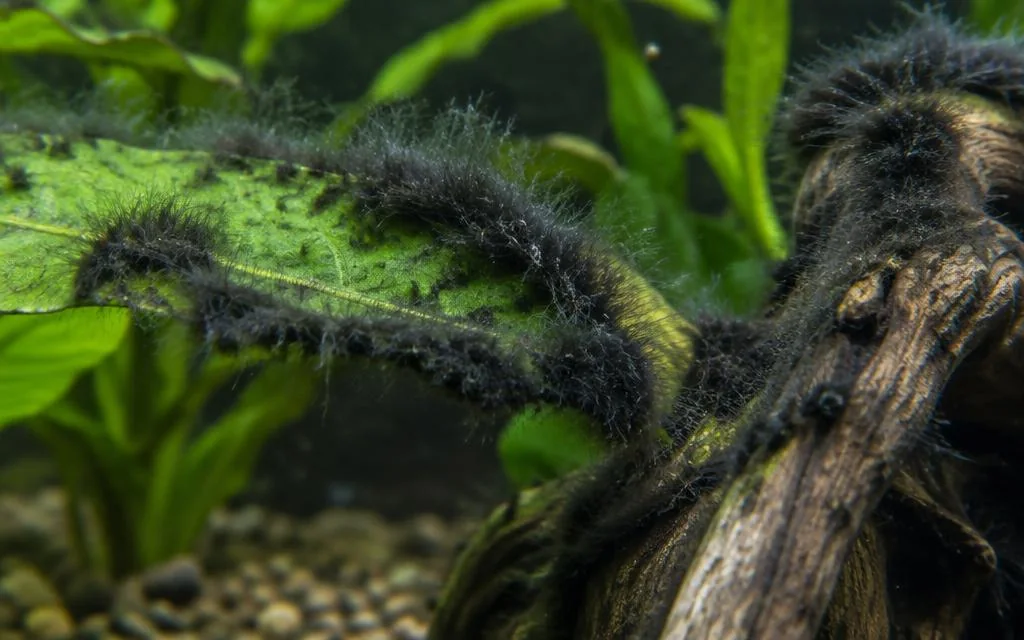
Cause: Unstable CO2 or fluctuating flow, plus older leaves that have slowed down.
Fix: Stabilise CO2 and flow, remove the worst leaves, and spot-treat with liquid carbon using a syringe with the filter off for a few minutes.
Hardscape & substrate
What to build on
Epiphytes need something to hold on to, and root feeders need something to eat. Pick both before the plants go in.
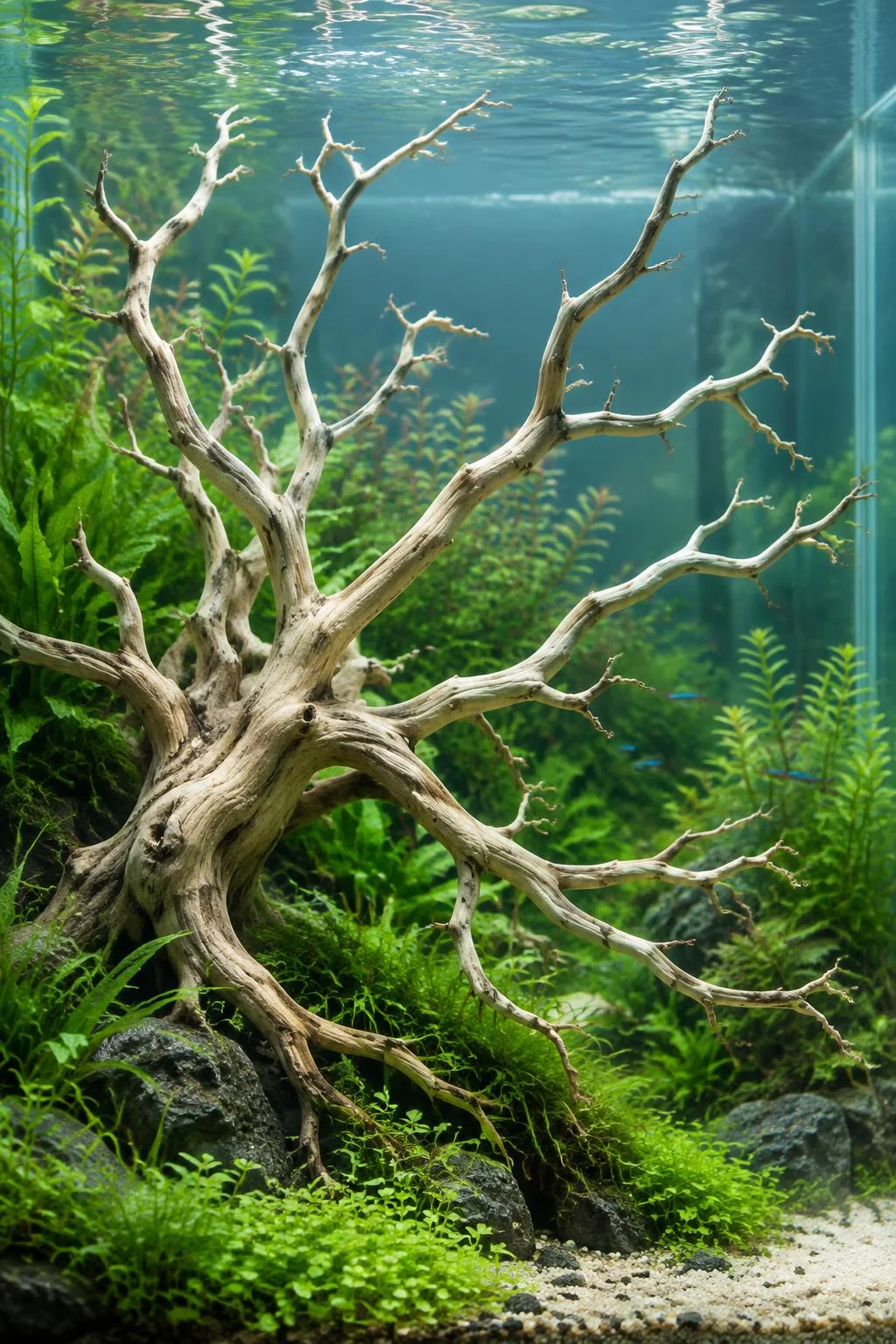 Spider wood
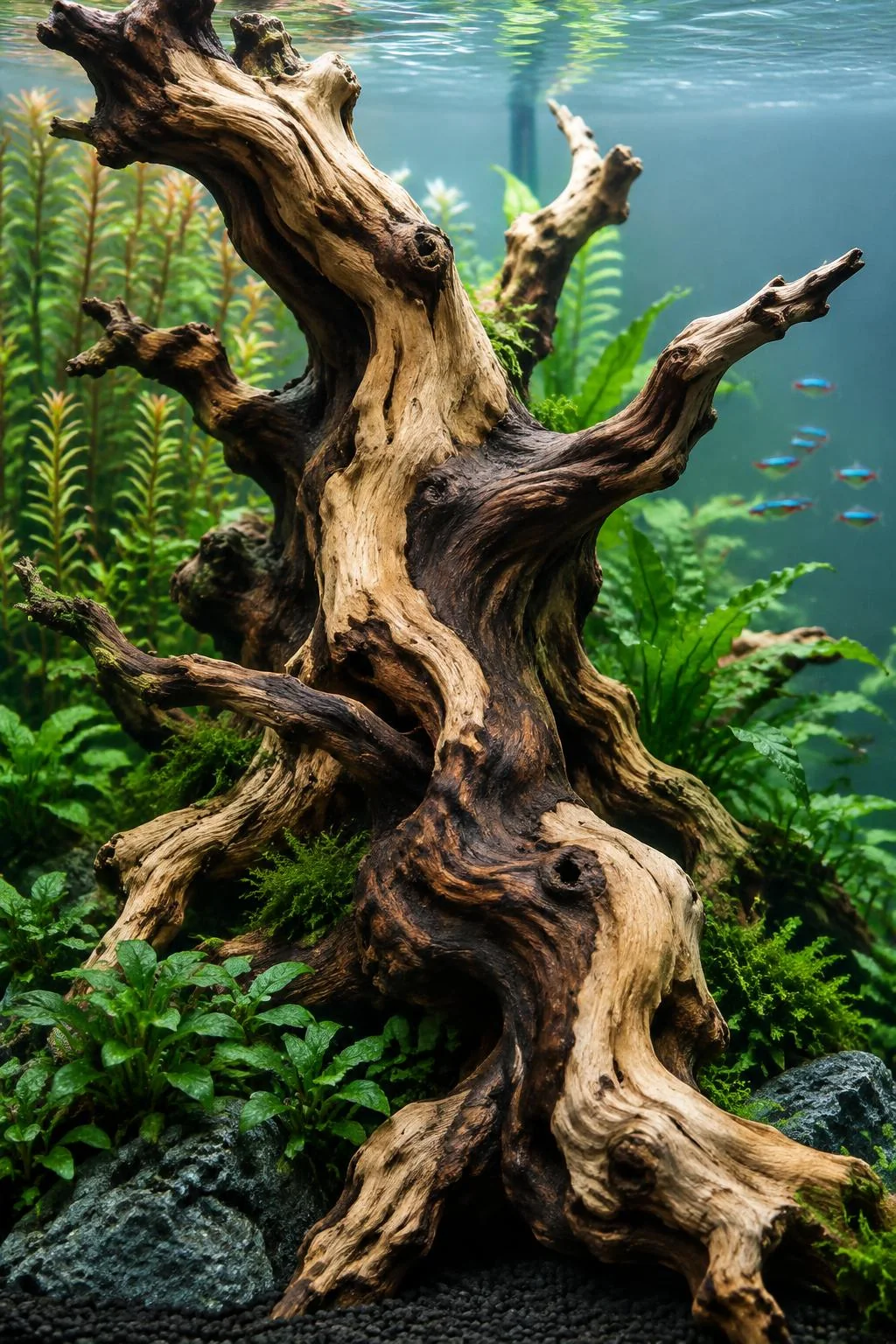 Mopani wood
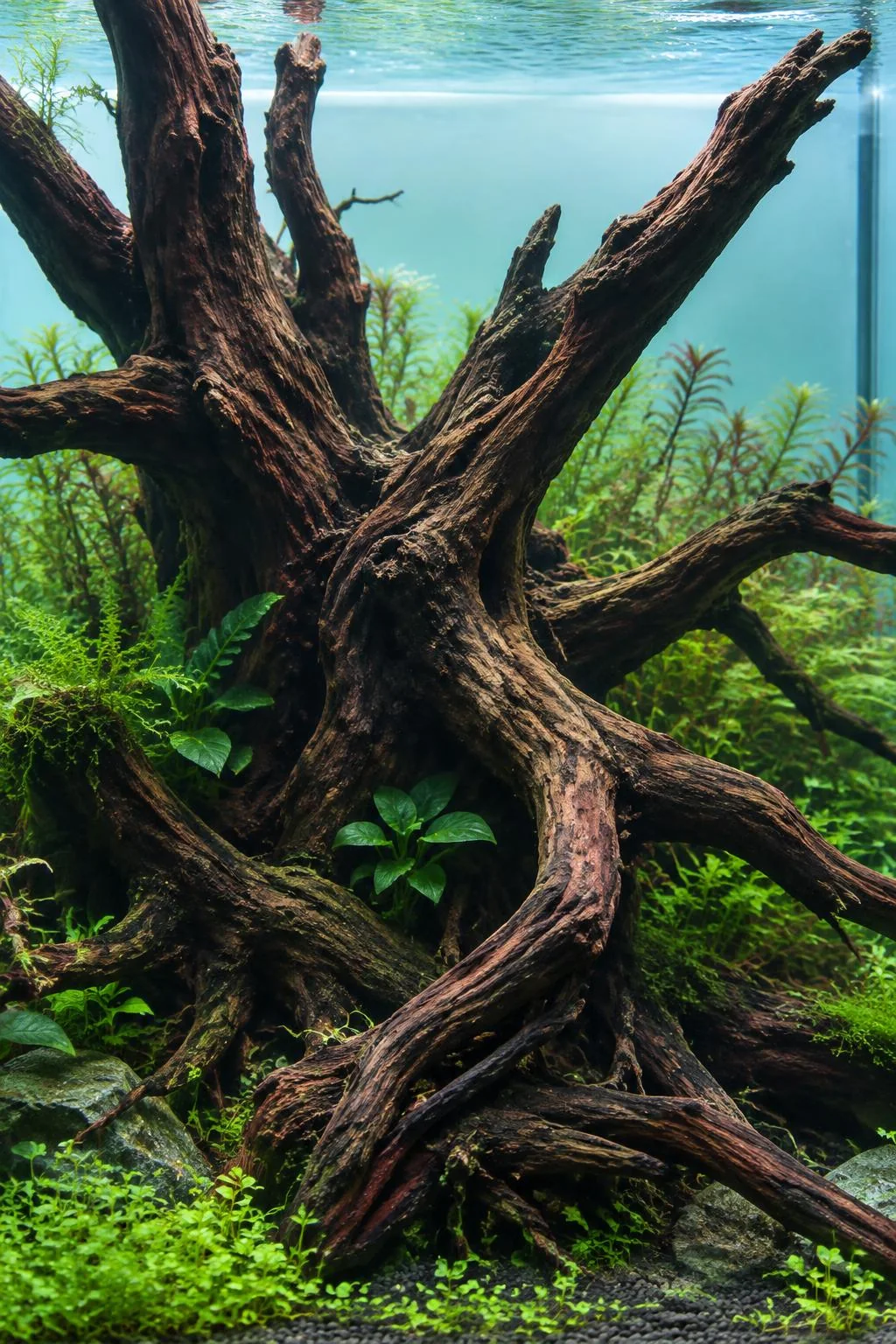 Malaysian driftwood
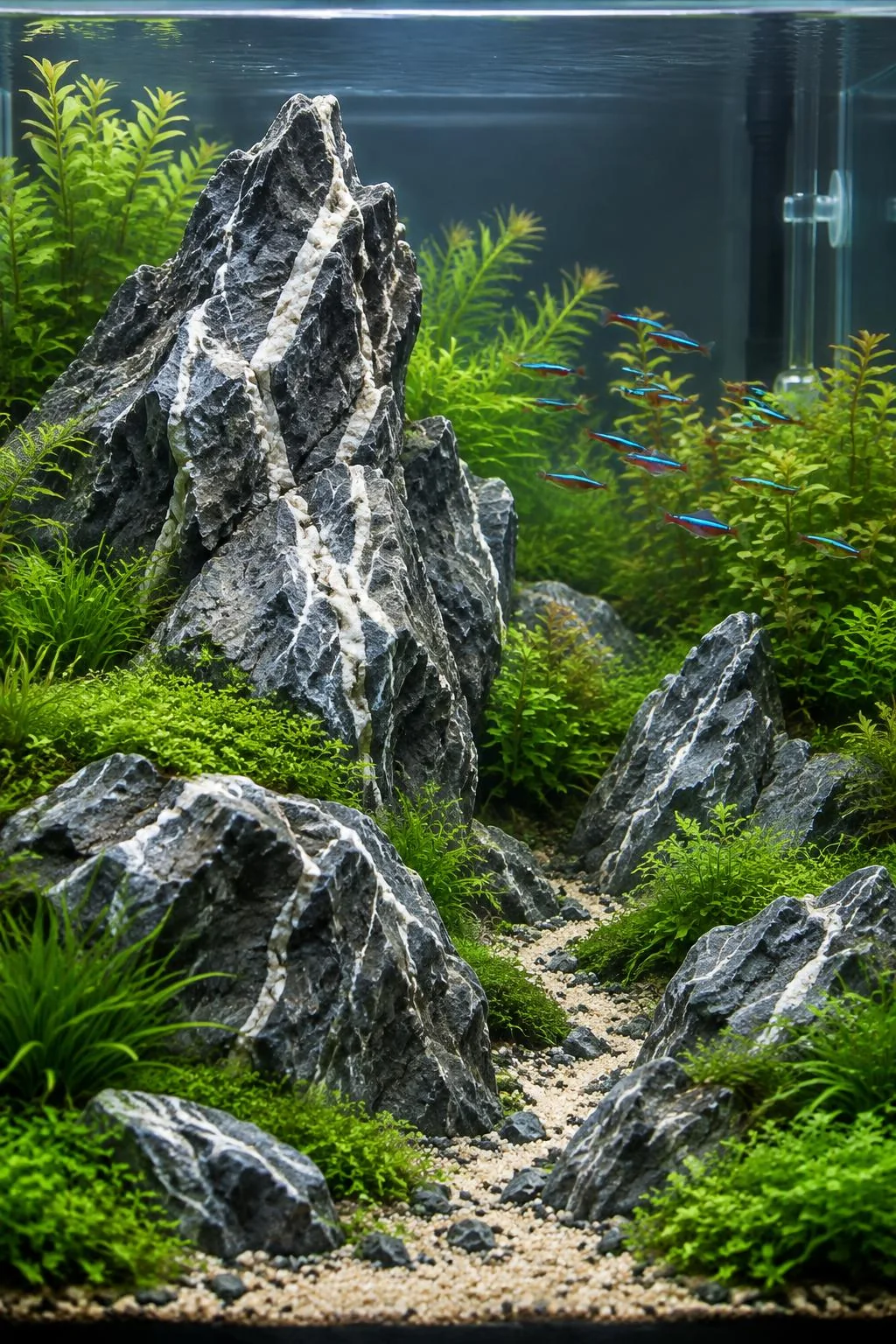 Seiryu stone
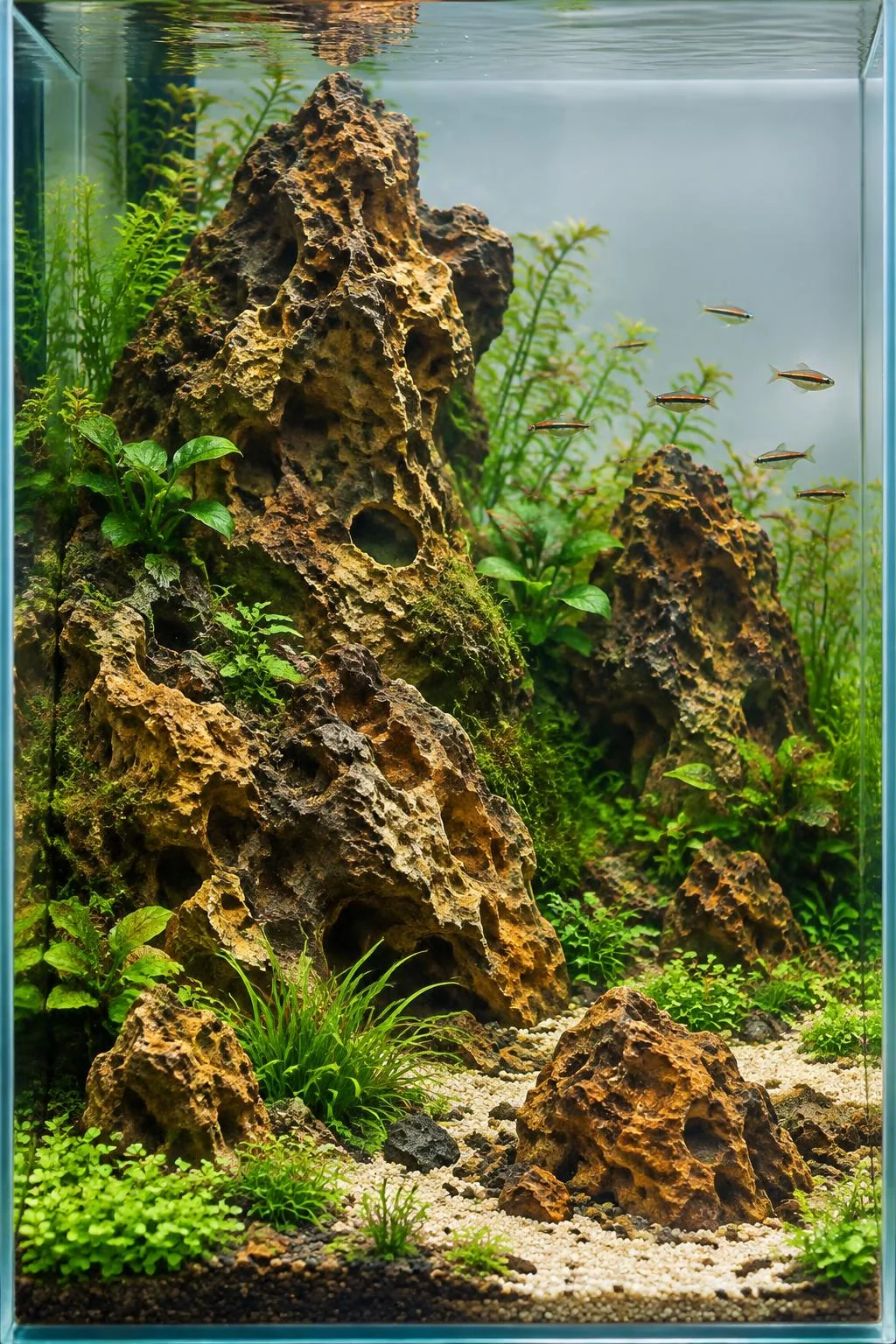 Dragon stone
Wood & stone
- Spider wood — Fine branching arms, perfect for tying moss and buce
- Mopani wood — Two-tone and dense, sinks without soaking
- Malaysian driftwood — Dense and dark, sinks straight away
- Seiryu stone — Sharp grey ridges; raises hardness a little
- Dragon stone — Pitted ochre rock, inert and shrimp safe
Inert gravel or sand
Looks clean and lasts forever, but holds no nutrients. Push root tabs under swords, crypts, and vals every few months.
Active aquasoil
Packed with nutrients and softens the water for the first several months. Best choice if you want a dense carpet to fill in quickly.
Getting started with live plants
Beginner guide
Five things that make the difference between a tank that fills in and one that fizzles out.
You don't need CO2 to have a green tank
Most of the plants we stock grow happily in an ordinary aquarium light with liquid fertilizer once or twice a week. Pressurized CO2 and high-output lighting speed growth up and unlock the fussier reds — they are an upgrade, not a requirement.
If new plants melt, don't throw them out
Aquarium plants are usually farmed above water, so the leaves you buy are not the leaves they grow underwater. In the first two to three weeks those leaves may yellow and dissolve while the roots stay healthy and push out new submerged growth. Trim the mush, leave the roots alone, and be patient.
Run the light 6 to 8 hours, on a timer
Leaving the light on all day is the single most common cause of an algae outbreak. A cheap outlet timer set to six to eight hours gives plants everything they need and starves the algae. Add time slowly, and only if plants look leggy.
Feed roots and water differently
Swords, crypts, and vals eat through their roots — tuck root tabs into plain gravel or sand, or start with a nutrient-rich aquasoil. Epiphytes, stems, and floaters feed from the water, so an all-in-one liquid fertilizer covers them.
Prep plants before they go in
Peel away plastic pots and pull the rockwool out of the roots gently under running water — tearing it out damages the plant. Tissue culture cups get a lukewarm rinse to wash off the gel. Divide everything into small portions and plant them with long tweezers so the roots go in deep and stay put.
Bring a photo of your tank and your light fixture when you stop in — we'll match plants to what you already have so they grow instead of melt.
Grow the right plants for your tank.
We'll match plant choices to your lighting and substrate so they grow instead of melt.
“Live plants change everything about an aquarium—water quality, color, and most importantly the way fish behave.”
Explore other departments
Jump straight into another part of the store.
Freshwater Fish
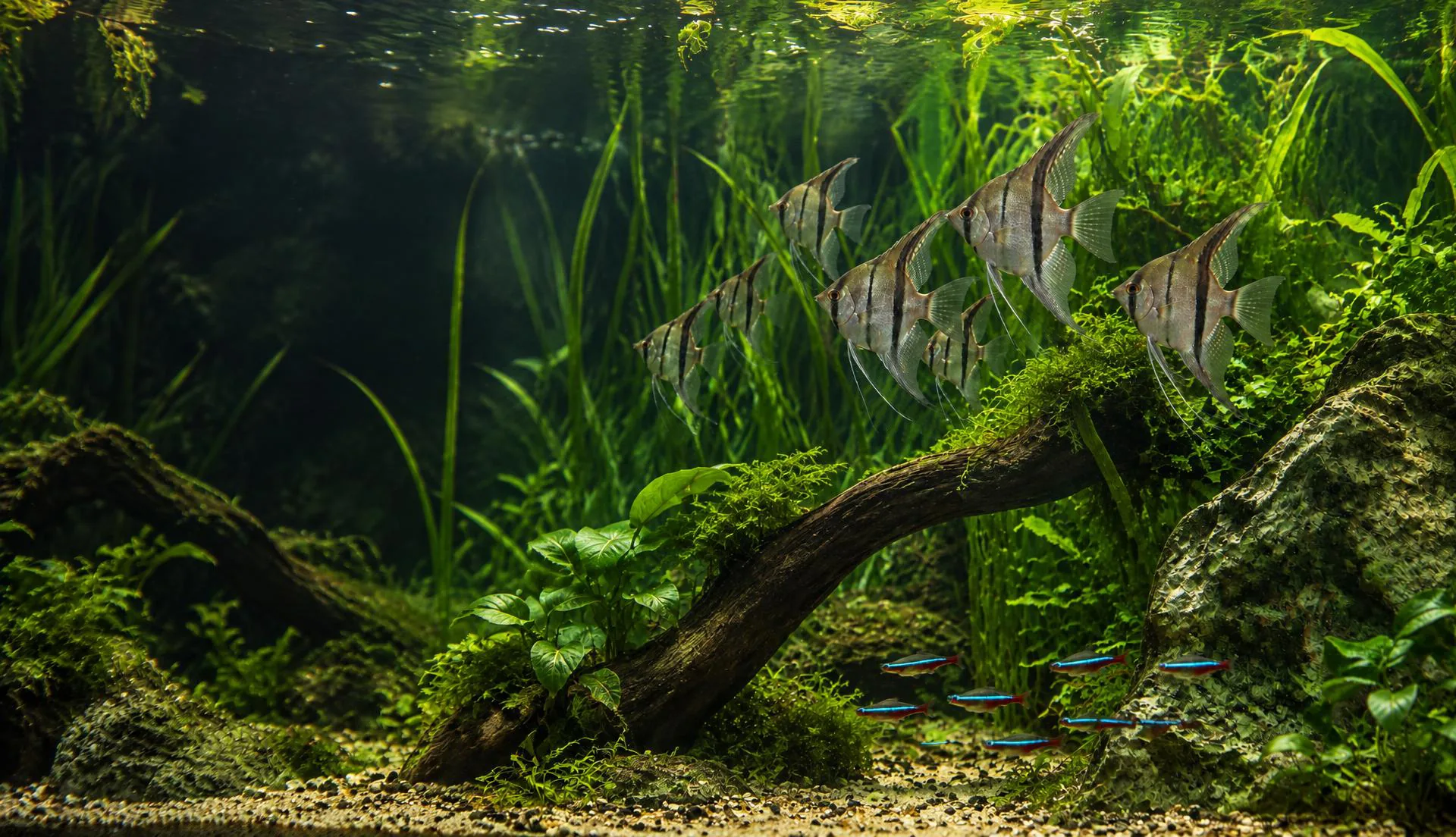
Community, planted, cichlid, and nano aquariums.
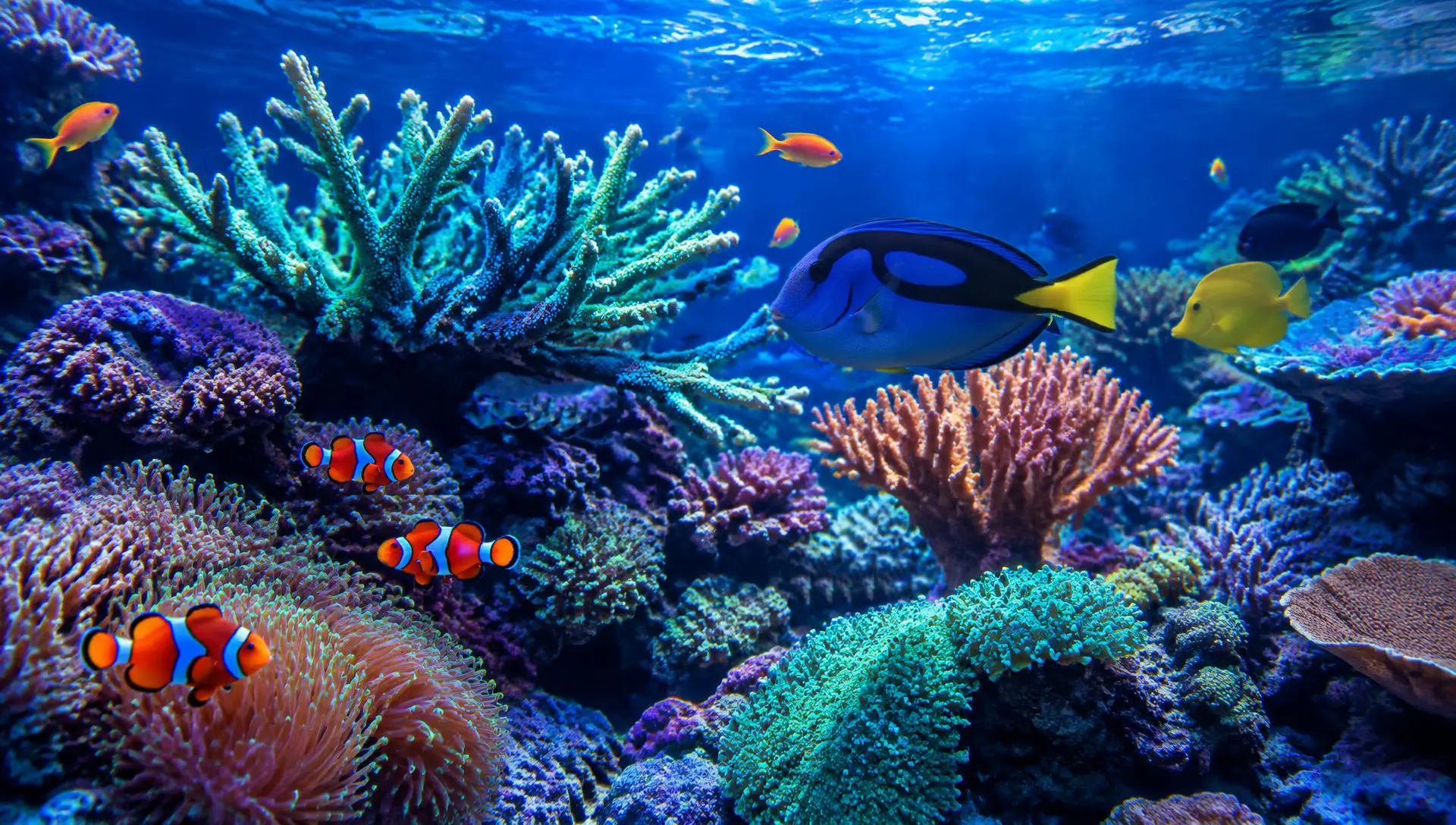
Saltwater Fish
Reef-safe selections and marine setups.
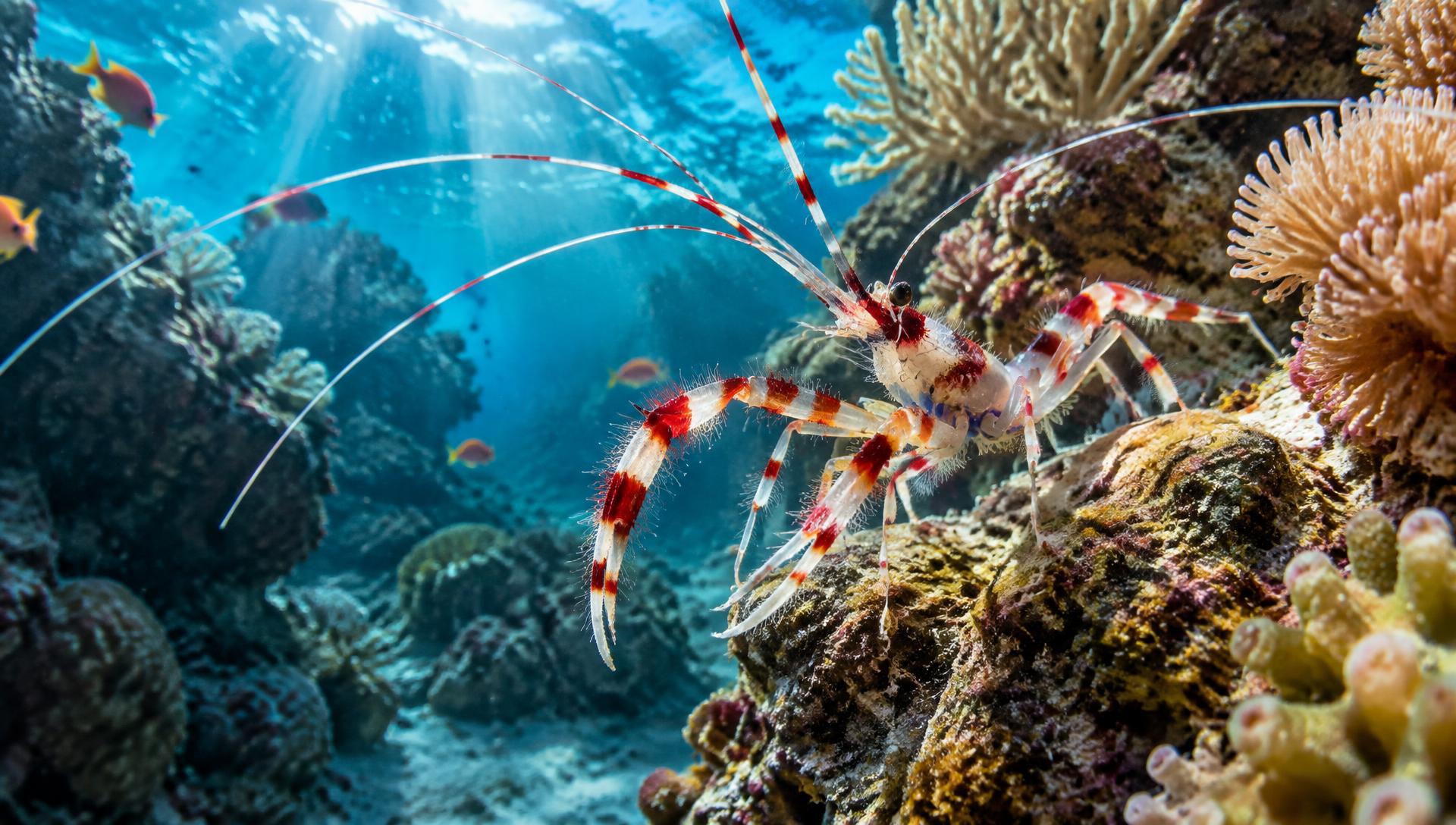
Invertebrates
Shrimp, snails, crabs — fresh and salt.
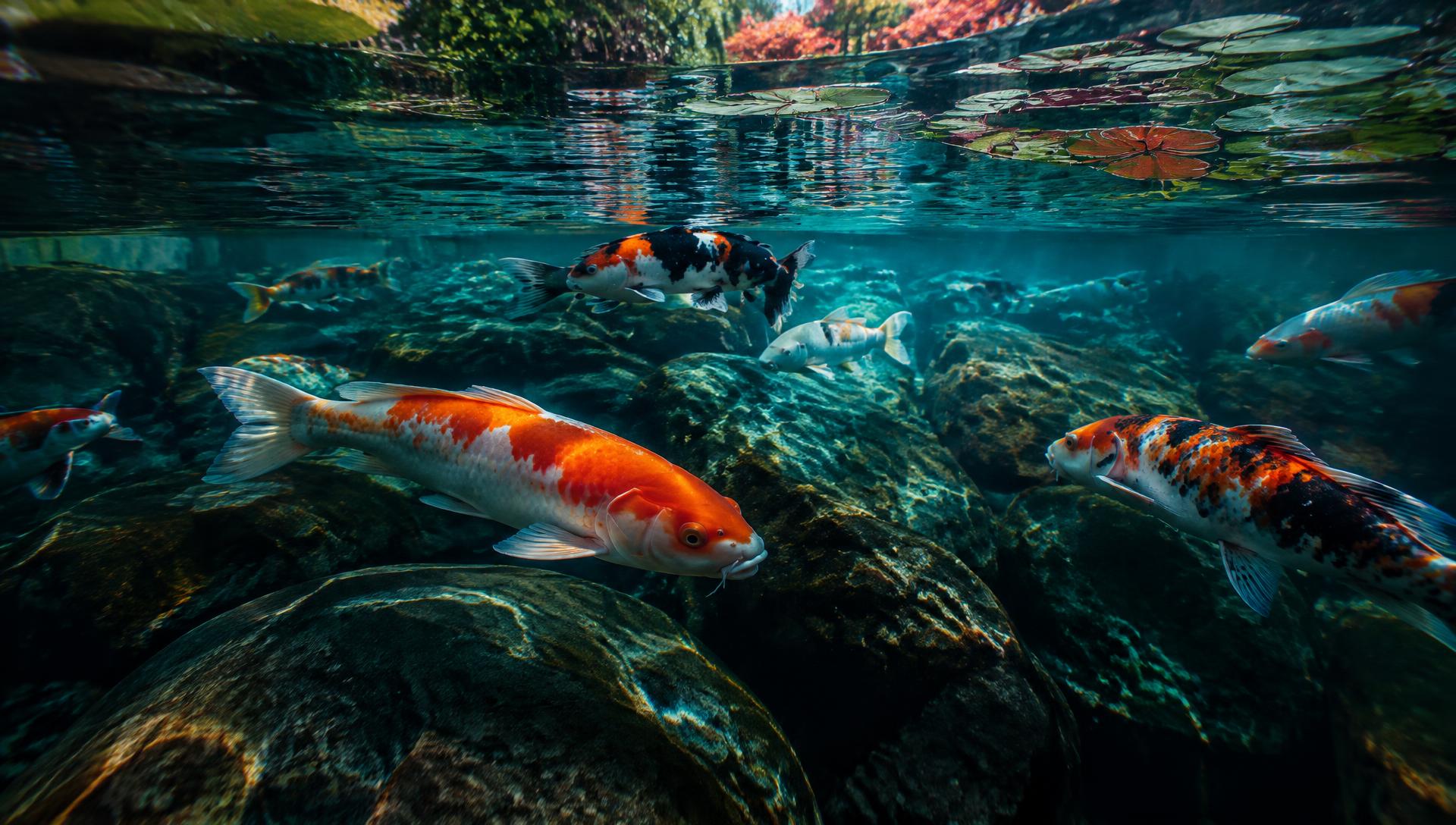
Koi & Pond Supplies
Outdoor color, food, and pond care.
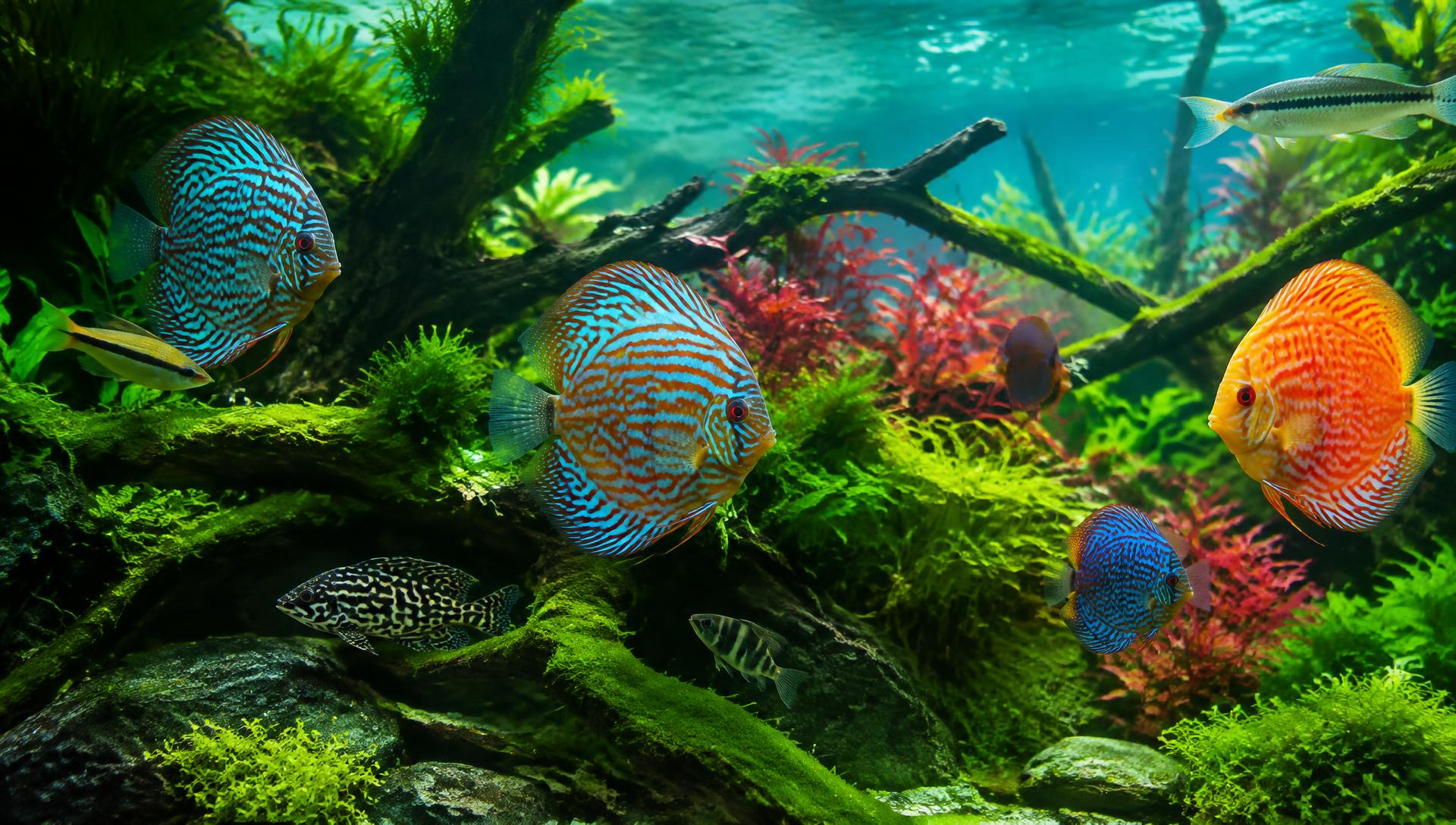
Rare Specimens
Unusual finds worth the trip.
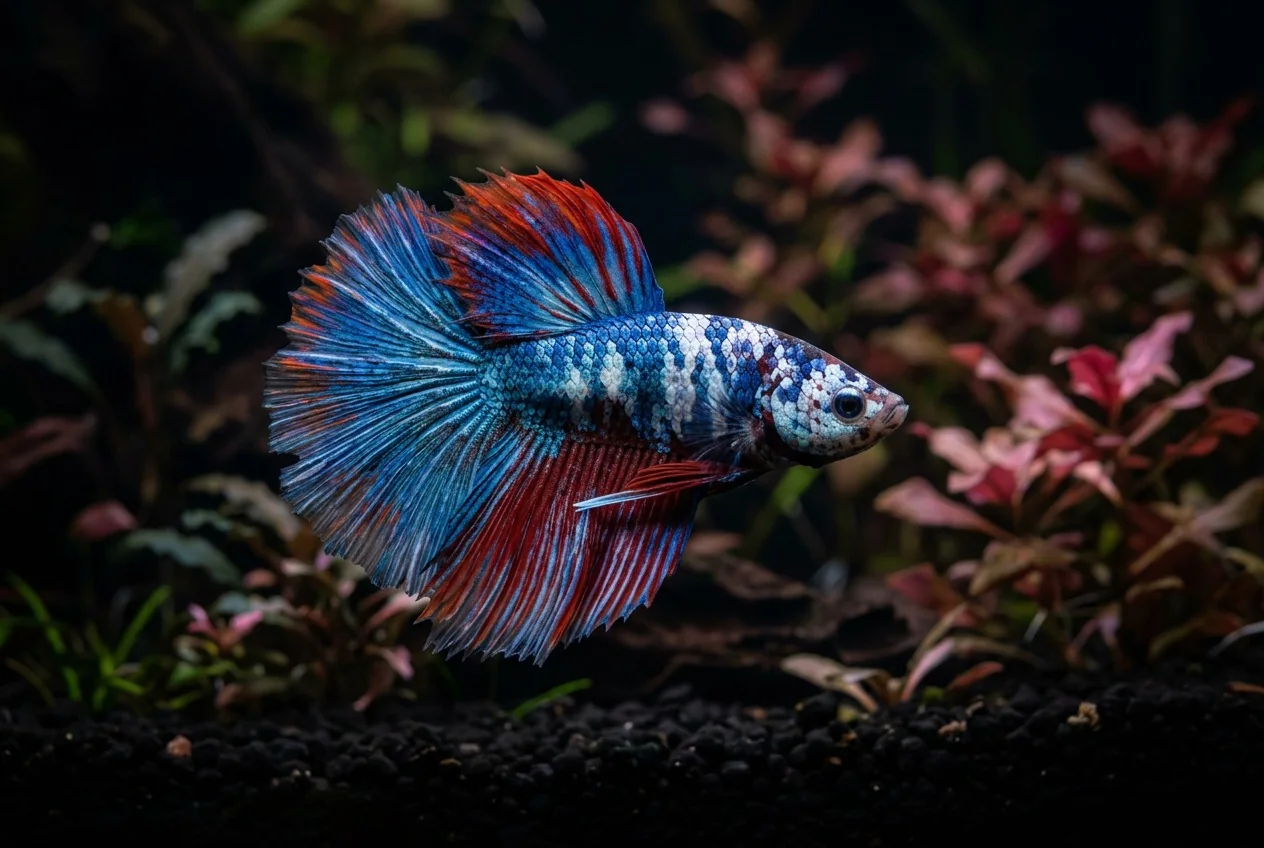
Bettas & Nano Aquatics
Show bettas, nano aquascapes, gentle filtration, and specialized nutrition.
138 Congressional Lane, Rockville, MD 20852 · Lower level of Congressional Plaza ·