Congressional Aquarium · Outdoors
Koi & Pond Supplies
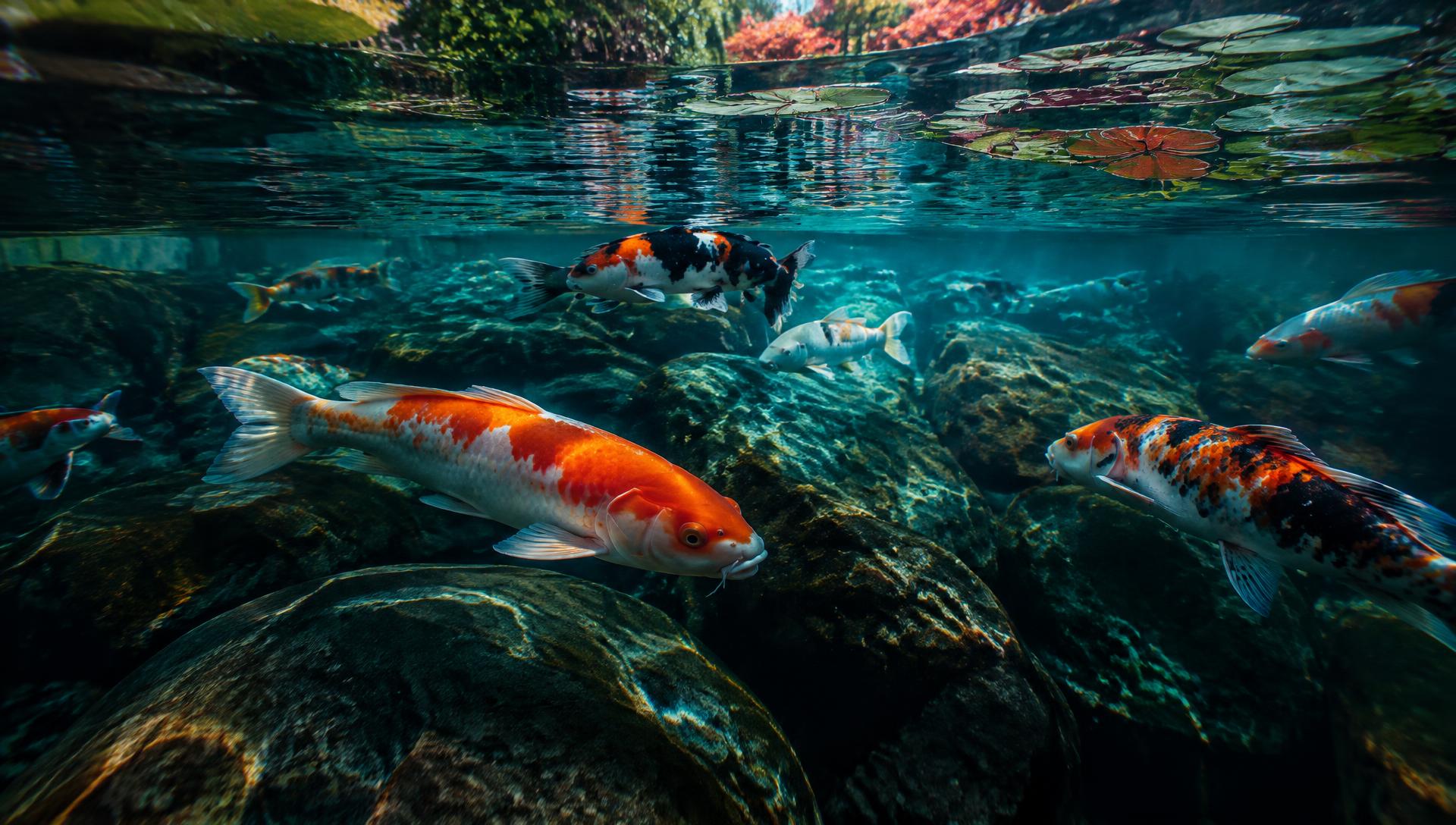
Grace in motion.
Seasonal koi, pond plants, and outdoor pond care essentials through the year.
Explore the pond01 / The Big Three
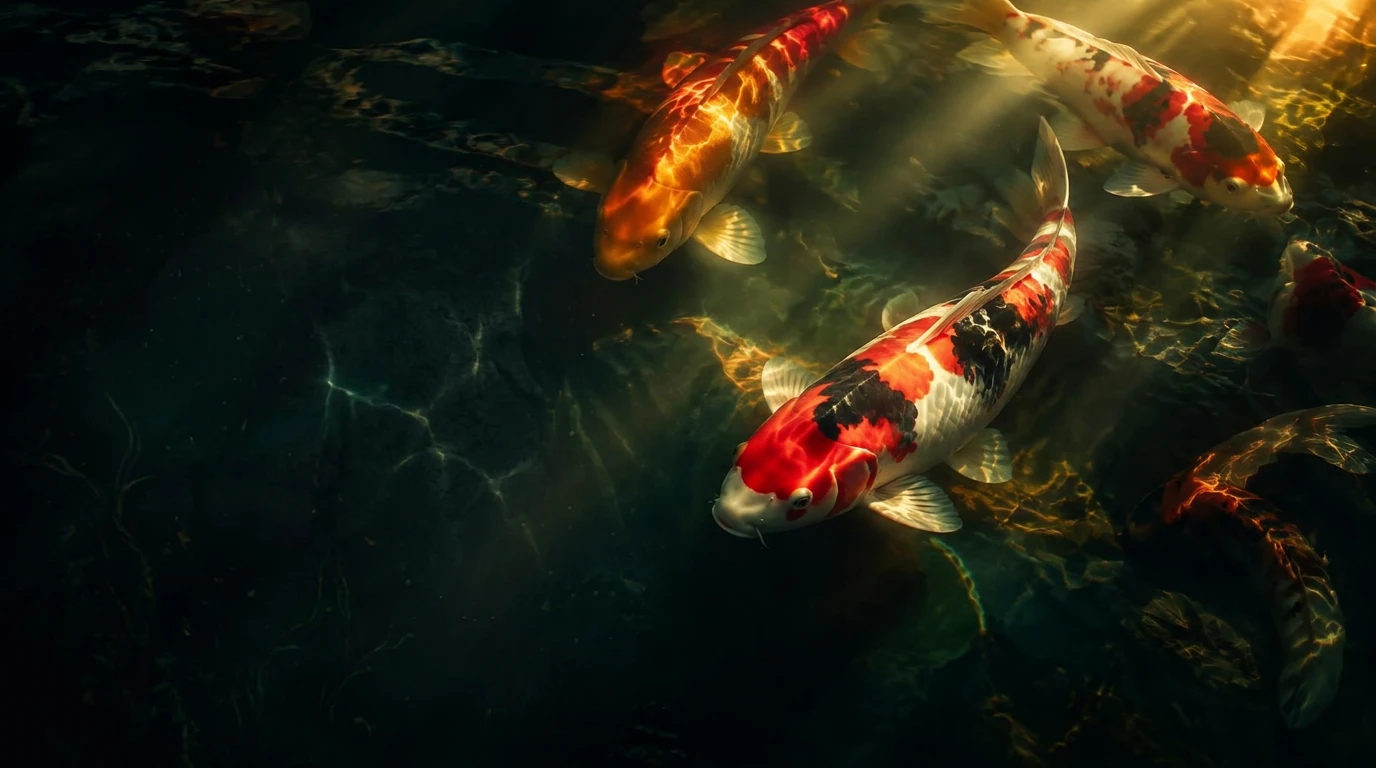
Pattern with presence.
Gosanke — the three classic varieties most shows and most collections are built around.
02 / Know your koi
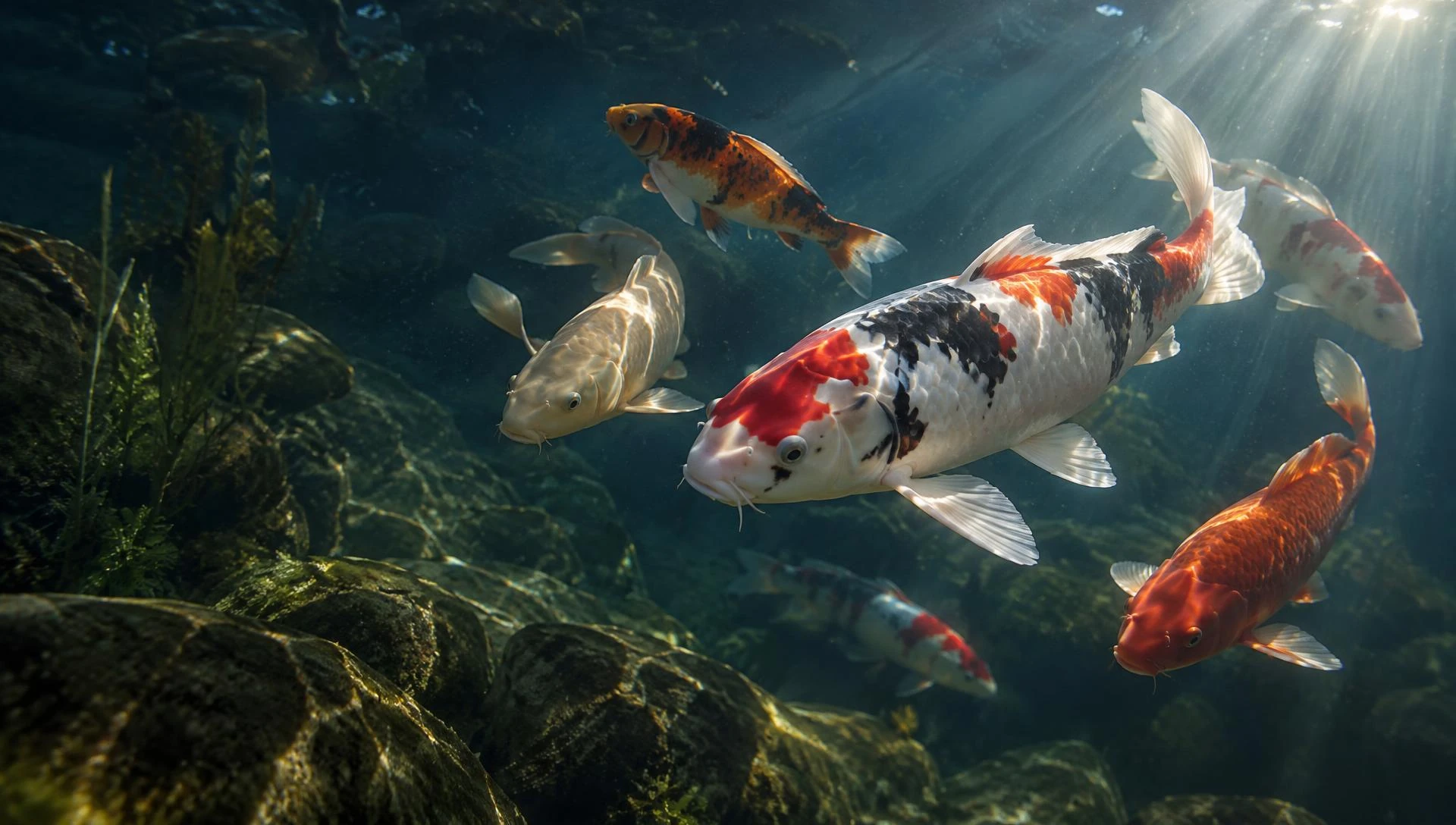
Color. Scales. Flowing fins.
Koi are named for color, pattern, and scale type. Look closer at what makes each variety distinctive.
Stock changes with the season. Ask us what is in the pond tanks right now.
Pond planning
Koi compatibility
Choose a variety to see how it shares a pond with the others on this page. All koi are one species, so most pairings come down to fin shape and feeding.
The Big Three
Metallic & Solid
Scales & Fins
Kohaku · Red and white
Snow-white body with deep red markings.
Compatible8
With care1
Not recommended0
- Nothing in this group.
These are general guides, not a guarantee. Pond size, filtration, and fish size matter—ask us before adding new koi.
03 / The whole pond
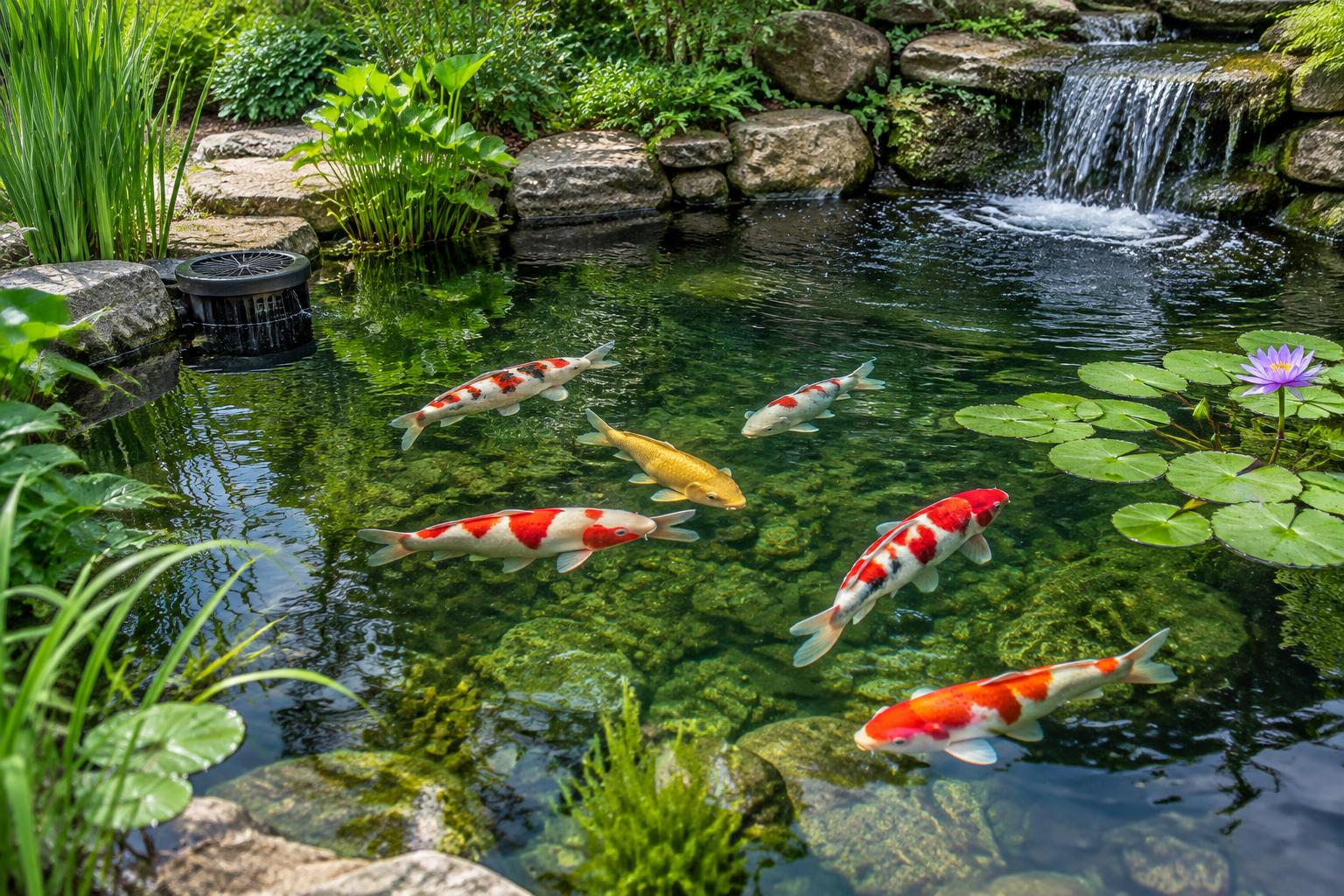
Clear water. Healthy life.
Outdoor pond care—filtration, treatments, nets, and seasonal foods.
Filtration & water care
Filtration, treatments, and nets for outdoor pond care.
Seasonal foods
Adjust feeding as the pond's water temperature changes.
Pond plants
Seasonal pond plants for outdoor water.
Through the year
Mid-Atlantic seasonal pond & feeding guide
Koi care follows water temperature, not the calendar. Maryland and the DC area swing from freezing winters to hot summers, so what you feed and how you run your pond changes with each season.
Wake the pond up slowly
Water 50–65°FFeeding
Koi digest slowly in cold water. Once the pond holds steady near 50°F, offer a small amount of an easy-to-digest wheat germ food once a day or every other day. Move to a regular staple food as the water settles above 60°F.
Pond care
Restart the pump and filter once nights stop freezing. Clean out winter debris, test the water, and expect the filter to need a few weeks to catch up. Do small partial water changes rather than one big one.
Watch for
Ammonia and nitrite spikes while the filter restarts, and koi that look sluggish, rub on surfaces, or hold their fins clamped. Spring swings in temperature are when koi are most vulnerable.
Feeding by water temperature
- Below 50°F
- Do not feed
- 50–60°F
- Wheat germ, small amounts
- 60–70°F
- Staple food, once or twice a day
- 70–85°F
- Staple food, two to three times a day
- Above 85°F
- Feed lightly, add aeration
Use a pond thermometer and go by the water, not the weather forecast. This is general guidance, and every pond is a little different, so ask our staff about yours.
Season by season.
Ask our staff how to adjust feeding, filtration, and water care as the weather changes.
Explore other departments
Jump straight into another part of the store.
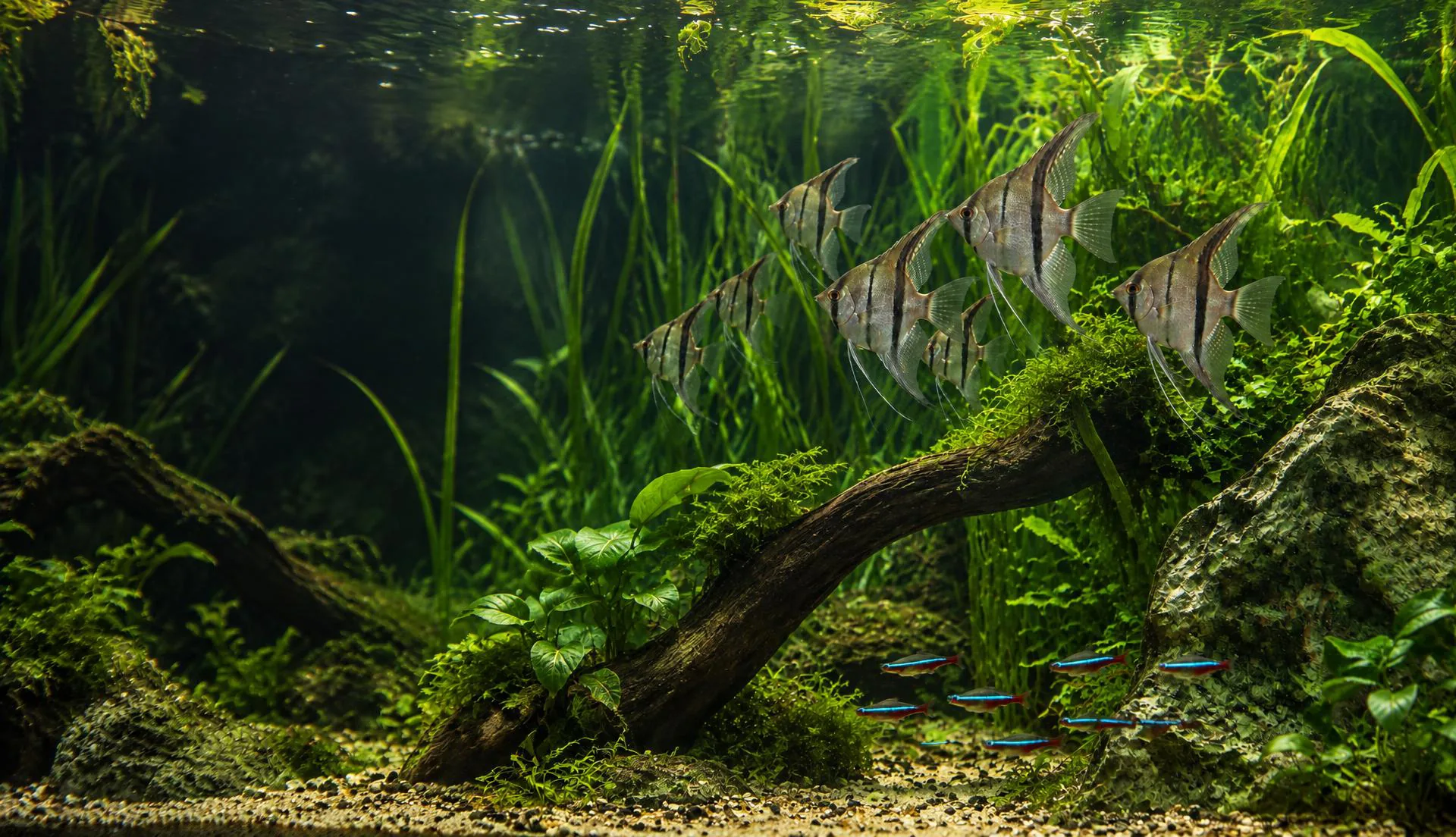
Freshwater Fish
Community, planted, cichlid, and nano aquariums.
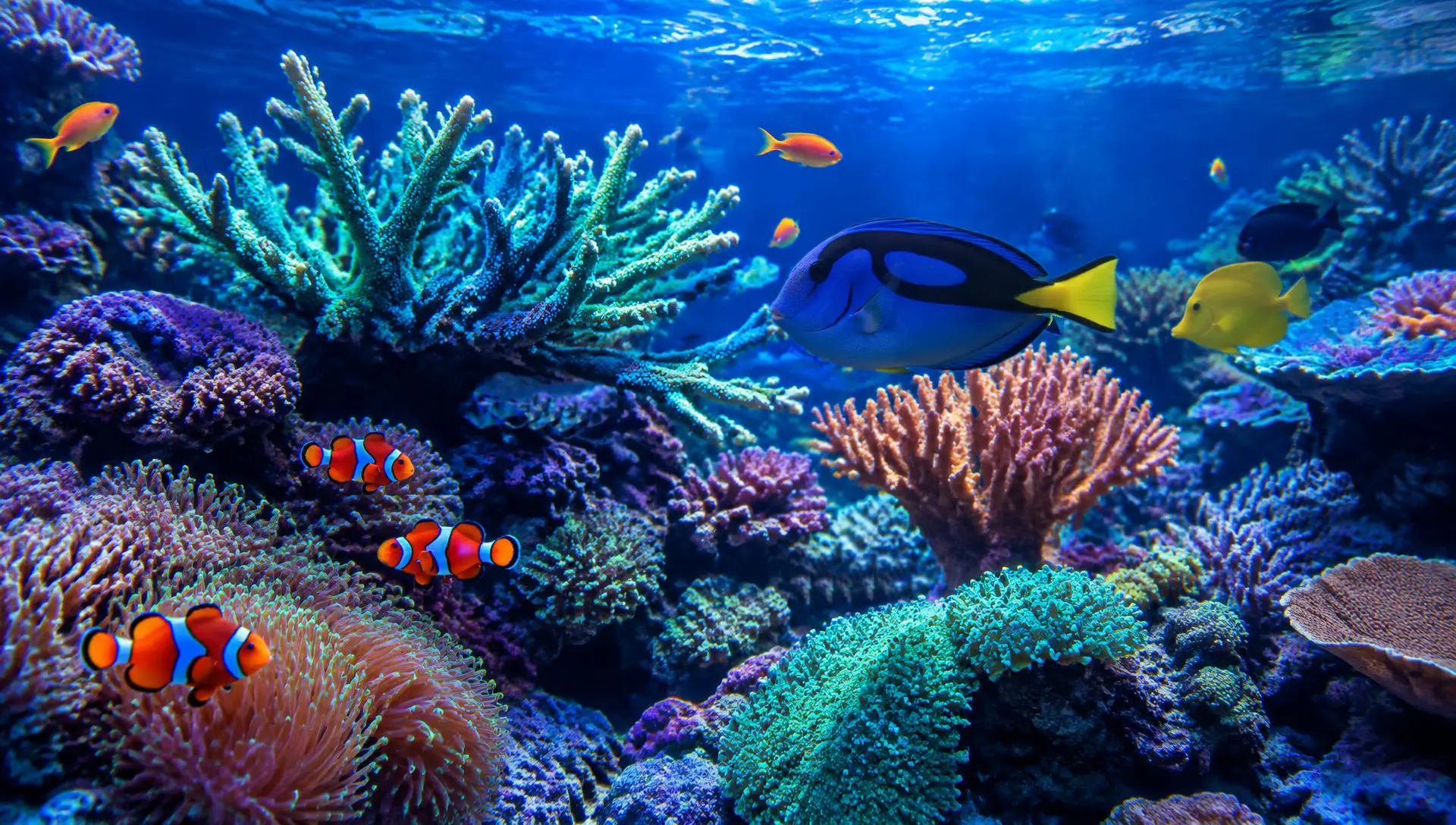
Saltwater Fish
Reef-safe selections and marine setups.
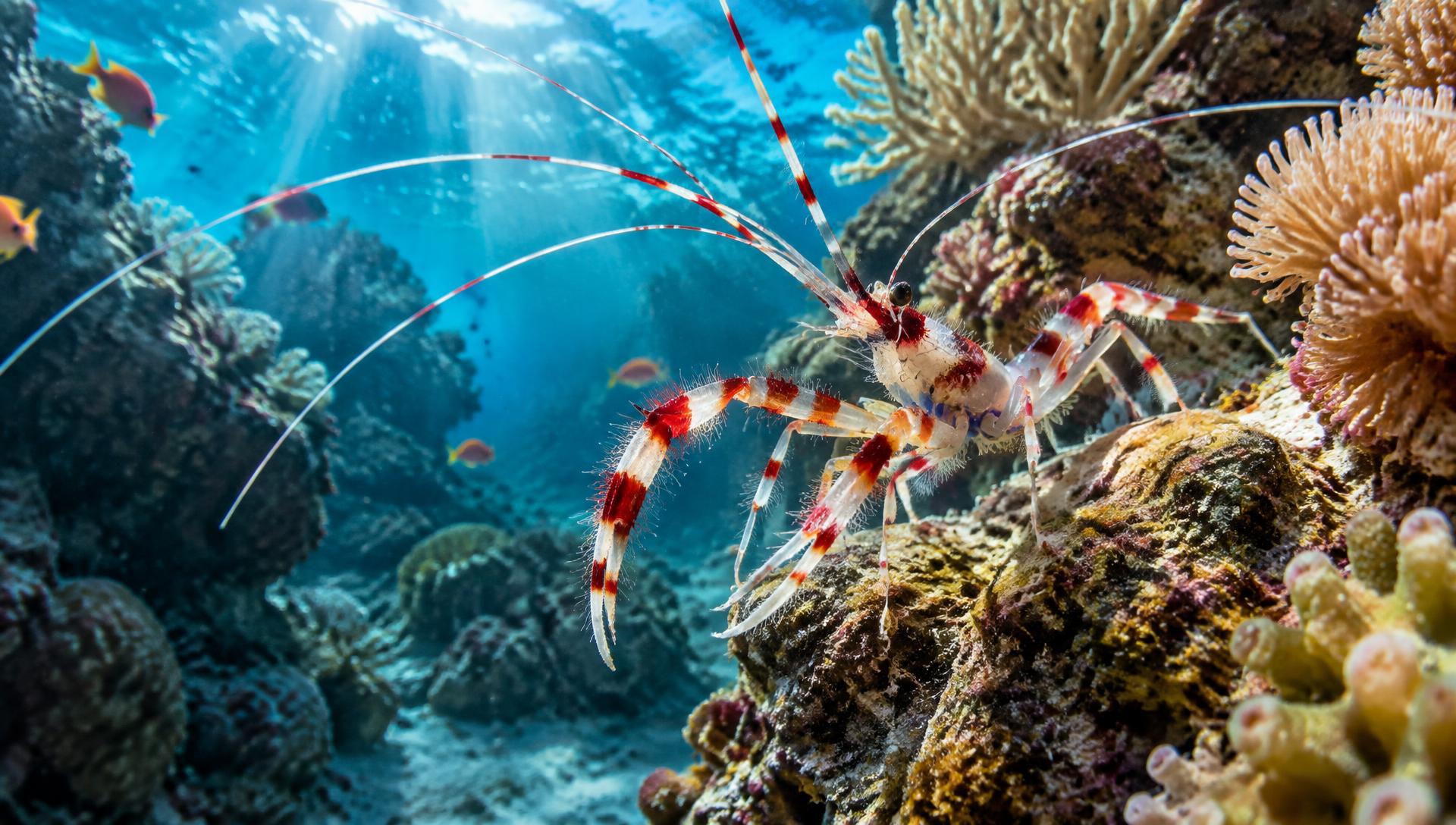
Invertebrates
Shrimp, snails, crabs — fresh and salt.
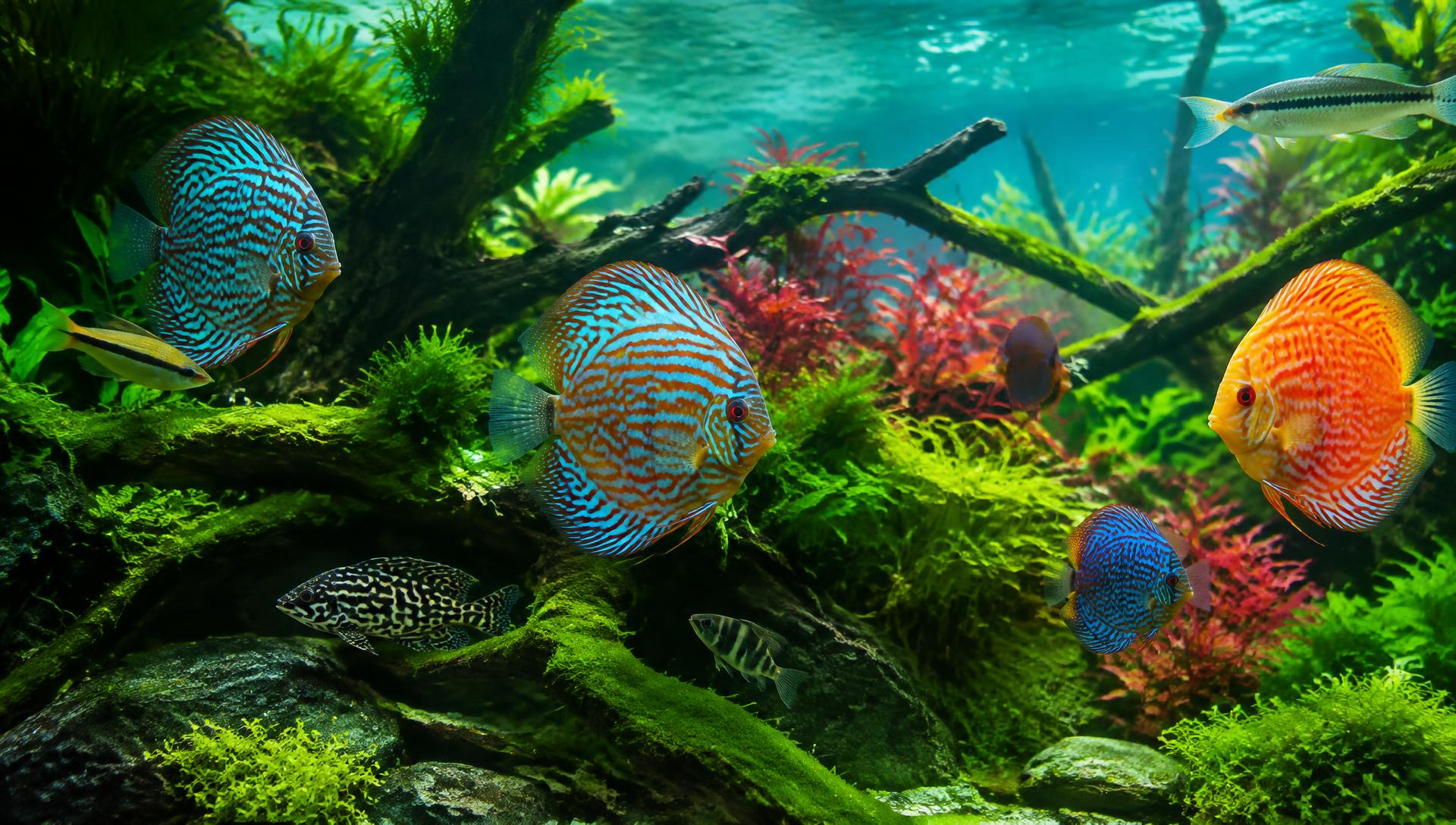
Rare Specimens
Unusual finds worth the trip.
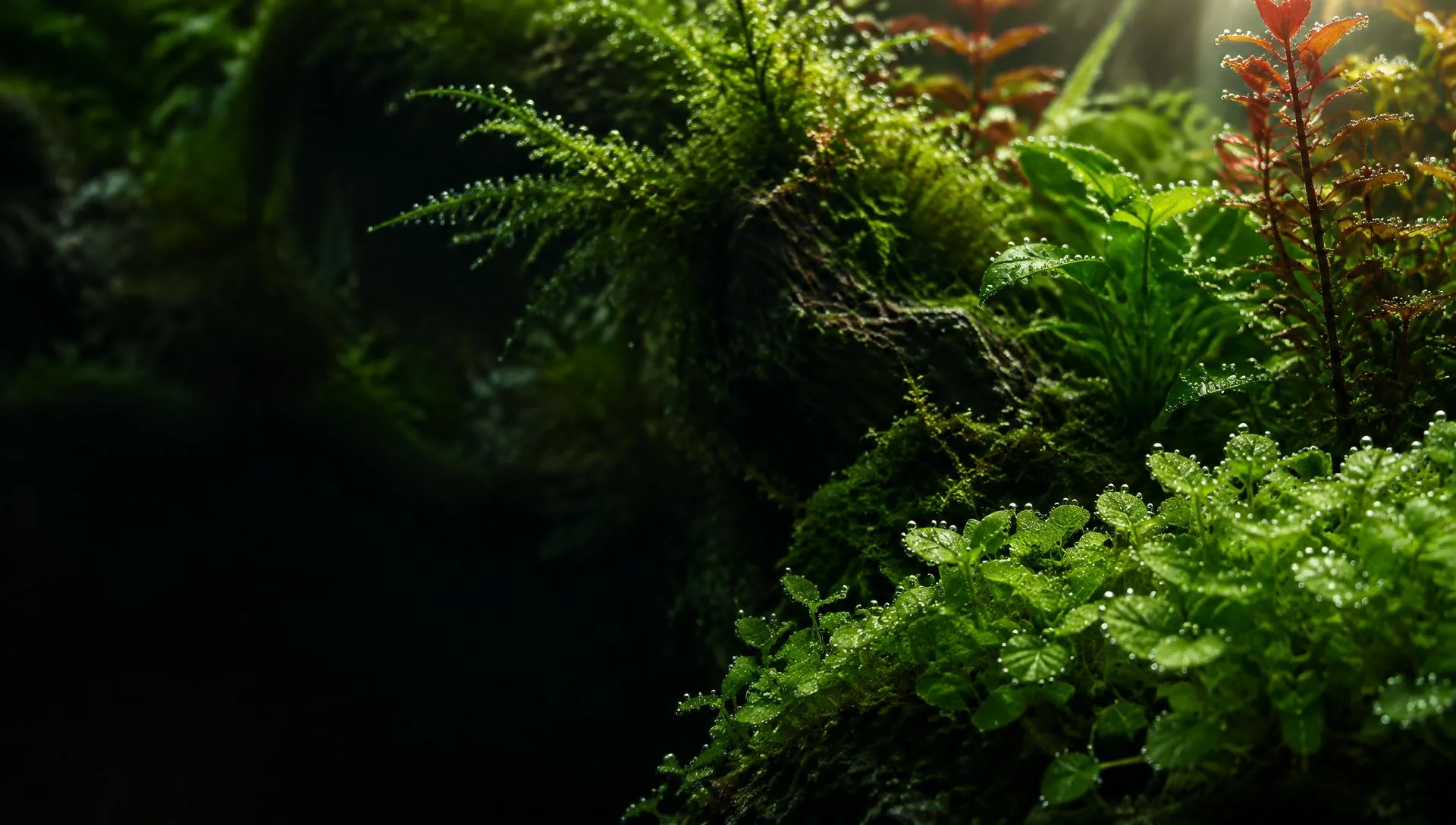
Aquarium Plants
Epiphytes, stems, carpets, and tissue culture.
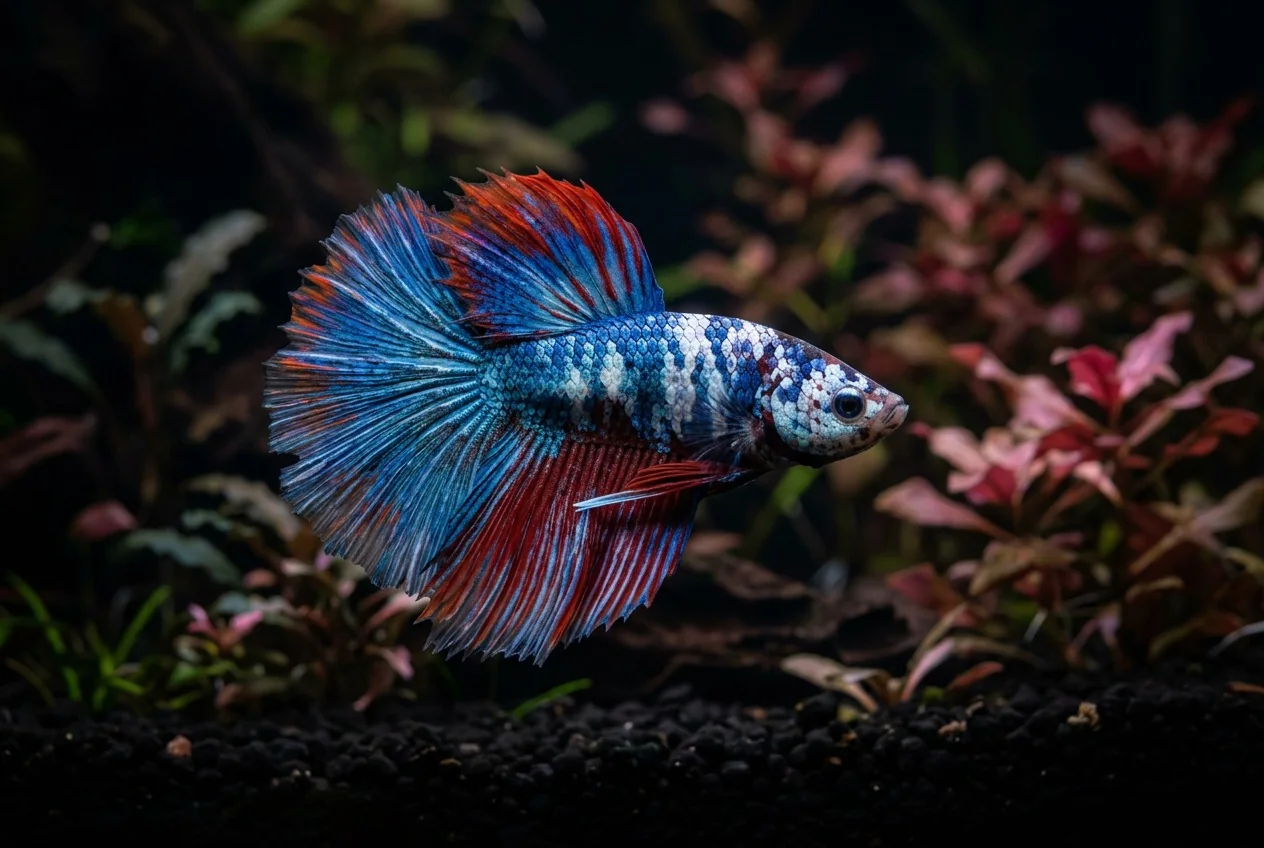
Bettas & Nano Aquatics
Show bettas, nano aquascapes, gentle filtration, and specialized nutrition.
138 Congressional Lane, Rockville, MD 20852 · Lower level of Congressional Plaza ·